Choosing an apartment on the Upper West Side can feel simple until you realize that “prewar,” “classic six,” “co-op,” and “newer condo” are not interchangeable terms. If you are trying to buy, sell, or simply understand what gives one apartment its character and another its convenience, the language matters. Once you know how these styles connect to layout, era, and ownership, the neighborhood starts to make much more sense. Let’s dive in.
Why Upper West Side styles matter
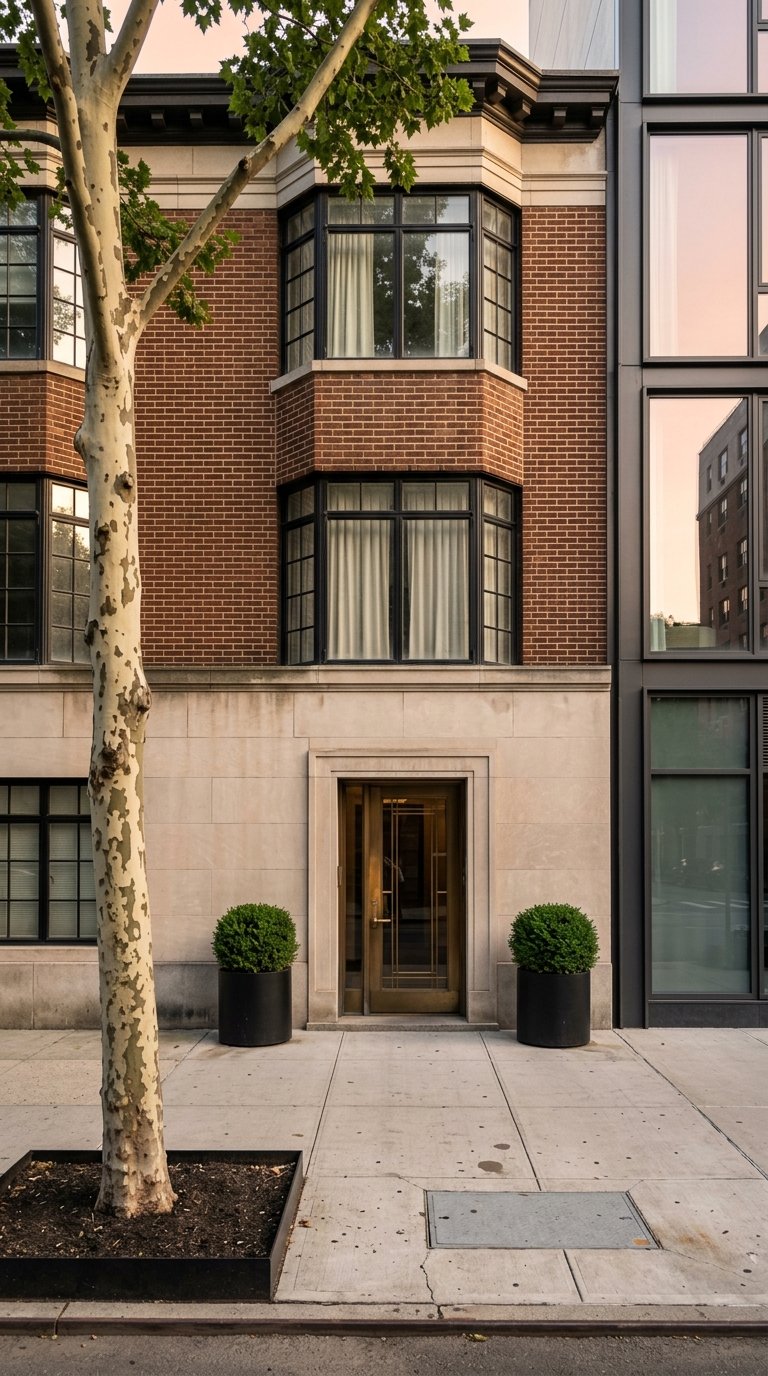
The Upper West Side and Central Park West historic district developed largely between the 1880s and 1930s. That long stretch of construction created a residential mix of row houses, tenements, apartment houses, and towers in styles that include Neo-Grec, Romanesque Revival, Beaux Arts, Neo-Renaissance, and Art Deco.
For most buyers and sellers, though, apartment “style” is about more than the exterior. On the Upper West Side, style often works as shorthand for three things at once: when a building was built, how the apartment is laid out, and what ownership structure comes with it.
That is why two apartments with the same bedroom count can feel completely different in person. One may offer formal rooms and period detail, while another prioritizes open flow, modern systems, and amenity access.
Understanding the main apartment categories
Before you compare listings, it helps to separate a few key terms.
Prewar apartments
In New York City real estate, prewar generally means a building built before World War II, often between 1900 and 1939. On the Upper West Side, many of the apartments buyers picture when they think of classic New York living fall into this category.
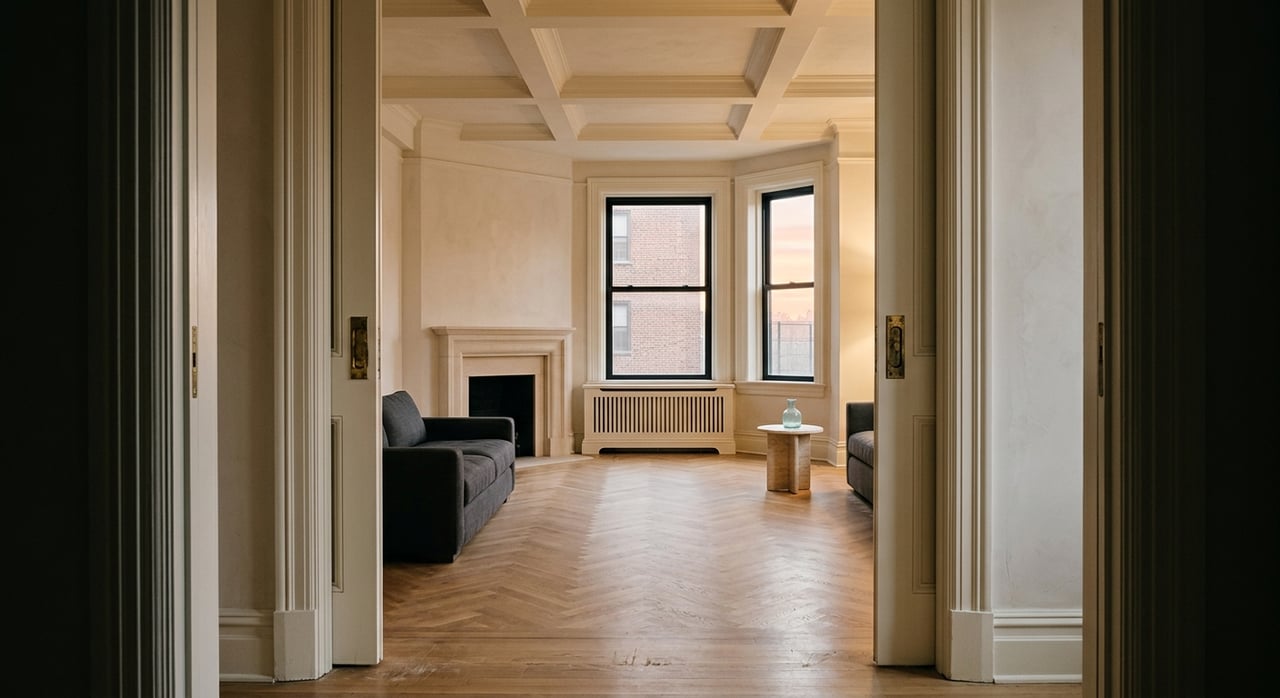
Prewar apartments are often known for high ceilings, large windows, wood floors, decorative millwork, wide hallways, foyers, and sometimes courtyard layouts that help with light and ventilation. These features can make a home feel graceful and distinct, even when the square footage is similar to a newer apartment.
Postwar apartments
Postwar buildings are generally those built after World War II and before 1990. On the Upper West Side, they are often associated with a more uniform look and a more predictable floor plan.
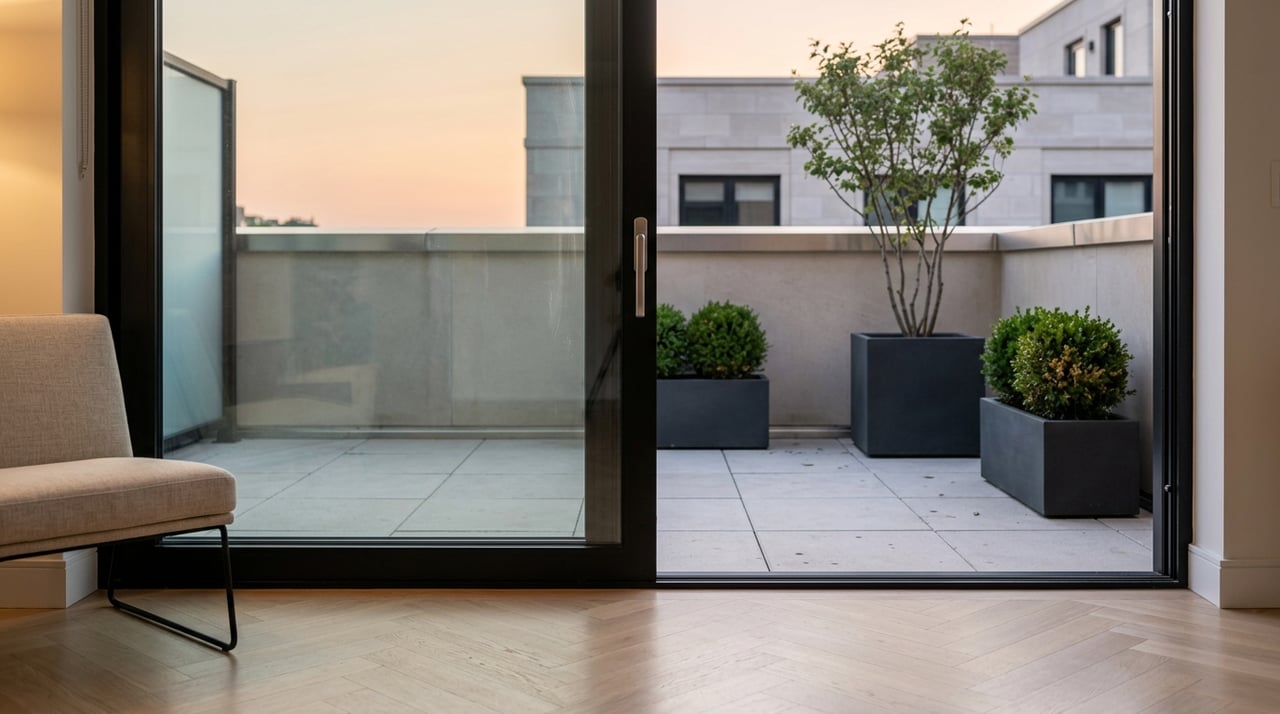
You may see larger windows, more storage, parquet floors, central air conditioning, terraces or balconies, and more modern kitchens than in older buildings. Many postwar buildings also introduced a more amenity-oriented lifestyle, with features such as gyms, gardens, lounges, pools, or roof decks.
Newer condos
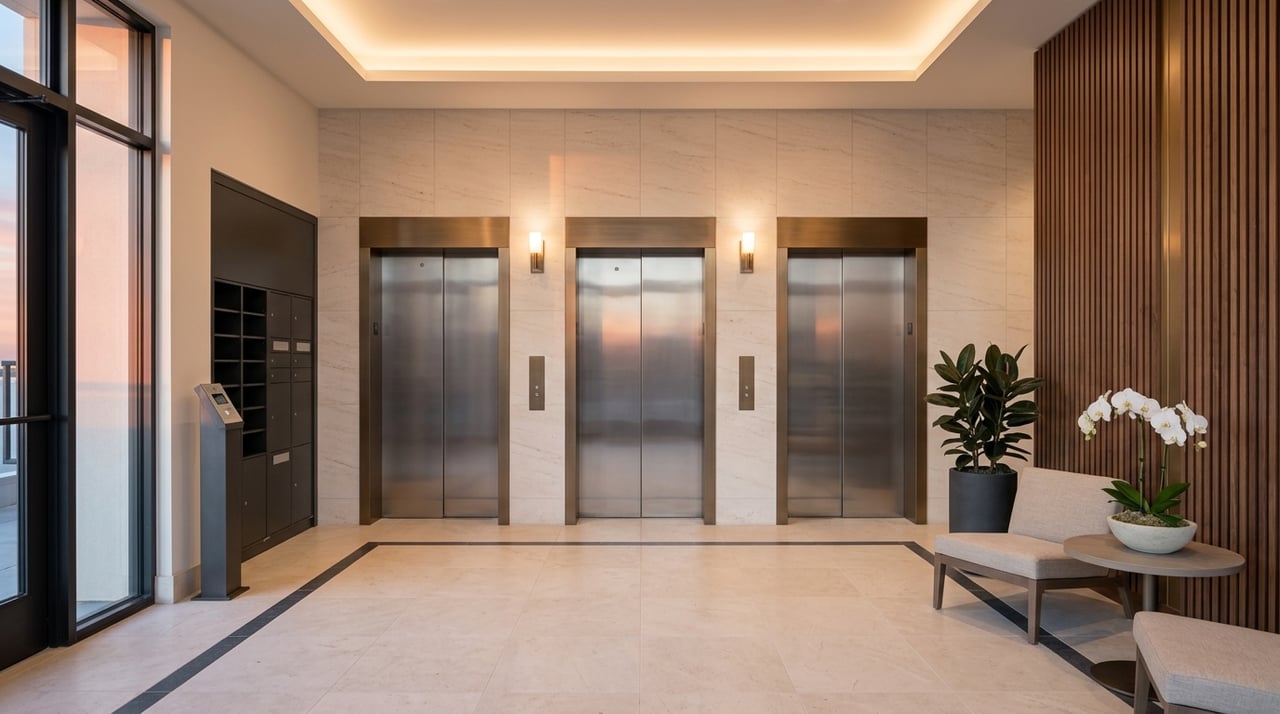
New construction generally refers to buildings erected since 1990. In Manhattan, these buildings are much more likely to be condos than co-ops.
For many buyers, newer condos stand out for sleek kitchens and baths, built-in storage, efficient use of space, elevator convenience, and a more turn-key feel. They also tend to offer greater flexibility around resale and subletting than many co-op buildings.
What a classic six really means
One of the most common Upper West Side terms is “classic six,” and it often causes confusion. A classic six is not a building style. It is a layout label.
A classic six traditionally includes:
- A living room
- A formal dining room
- A kitchen
- Two bedrooms
- A maid’s room
The Upper West Side is known for having one of the largest concentrations of classic six apartments in New York, and many are found in co-op buildings. Because these homes are usually prewar, they often include the features people associate with that era: separate rooms, formal entry space, thicker walls, and a clear divide between public and private areas of the home.
Why buyers are drawn to classic six layouts
If you like room separation, a classic six can be very appealing. The formal dining room creates flexibility for entertaining, working from home, or everyday living, and the extra room can serve different needs depending on the apartment’s current configuration.
These layouts also tend to feel distinctly Upper West Side. They offer the kind of old New York character many buyers want and that many sellers benefit from when positioning a property.
Possible tradeoffs with classic six homes
The same features that make a classic six charming may not fit every lifestyle. Kitchens are often smaller and more enclosed than in newer apartments, and the segmented layout can feel less natural if you prefer one large open gathering space.
Because these homes are usually in older buildings, buyers should also expect a more involved maintenance profile over time. Character is a major advantage, but it often comes with more building-related considerations.
Prewar co-ops on the Upper West Side
Many Upper West Side buyers end up comparing prewar co-ops, so it is worth understanding both the apartment style and the ownership model.
In a co-op, you are not buying the apartment as a separate piece of real estate in the same way you would in a condo. Instead, you buy shares in a corporation, and those shares are tied to a specific apartment through a long-term proprietary lease. Your maintenance charges are based on the number of shares allocated to that unit.
How co-op ownership shapes the experience
Co-op living often feels more building-centric and more board-governed than condo ownership. Buyers are typically subject to board approval, and prewar co-ops are often best suited to people who value long-term residence, building culture, and the architectural appeal of older properties.
For some buyers, that structure feels reassuring and stable. For others, it can feel more rule-heavy than they want.
What to look at in a prewar co-op
When you evaluate a prewar co-op, the ownership model is only part of the story. The physical building matters just as much.
The New York State Attorney General advises buyers to pay attention to items such as:
- Façade condition
- Roof condition
- Elevators
- Windows
- Plumbing
- Electrical wiring
- Heating and air-conditioning systems
- Flooring and appliances
The same source notes that repairs and maintenance are always needed in existing buildings, and that major projects can include façade work, roof repairs, elevator repairs, plumbing upgrades, electrical upgrades, boiler replacement, and significant cosmetic work. That does not make a prewar co-op a poor choice. It simply means you should view the building as carefully as the apartment itself.
Best fit for prewar co-ops
Prewar co-ops often make the most sense if you value:
- Architectural detail
- Formal layouts
- High ceilings and period features
- A long-term ownership mindset
- A building culture with more structure
They may be less appealing if your priority is minimal upkeep, highly flexible ownership, or a long list of modern amenities.
Postwar high-rises and what they offer
If prewar apartments are about charm and architectural detail, postwar buildings are often about practicality and ease. Their layouts tend to be more efficient, with easier circulation and rooms that are simpler to furnish.
For many buyers, that creates a more straightforward day-to-day experience. Larger windows, modernized kitchens, central air, and added storage can feel immediately useful, especially if you want comfort without taking on the quirks of an older home.
Tradeoffs to keep in mind
Postwar apartments do not usually offer the same level of ornament or period detail as prewar homes. Some buyers also find that these buildings can feel more institutional, and walls may be thinner than in older construction.
That said, if your goal is an apartment that lives efficiently and offers amenities that support your routine, postwar inventory can be an excellent match.
Newer condos and flexibility
Newer condos often appeal to buyers who want a more streamlined ownership experience. In a condo, you own the unit itself rather than shares in a building corporation.
That difference matters on the Upper West Side, especially for buyers who value flexibility. Compared with many co-ops, newer condos typically involve less intense board scrutiny and often allow greater freedom to sell or sublet.
Why newer condos attract buyers
The appeal is often a mix of design, services, and convenience. Newer buildings tend to be space-efficient and amenity-forward, with polished finishes and a more turn-key lifestyle.
If you want elevator convenience, built-in storage, sleek kitchens and baths, and a service package that may feel closer to hotel-style living, a newer condo may be the clearest fit.
How to decide which style fits you
No single Upper West Side apartment style is best for everyone. The right fit depends on how you want to live, what kind of ownership experience you want, and how much weight you give to character versus convenience.
Here is a simple way to think about it.
You may prefer a classic six or prewar co-op if you want:
- Distinct rooms instead of open-plan living
- High ceilings and period details
- A strong sense of architectural character
- A long-term home with traditional Upper West Side appeal
You may prefer a postwar apartment if you want:
- More efficient layouts
- Larger windows and better storage
- More modern systems
- Access to amenities without going fully new construction
You may prefer a newer condo if you want:
- Individual unit ownership
- More flexibility for resale or subletting
- Turn-key condition
- A modern, service-oriented lifestyle
Why this matters for buyers and sellers
For buyers, understanding apartment style helps you focus your search faster. Instead of chasing every new listing, you can narrow in on the combination of layout, building age, and ownership model that actually fits your goals.
For sellers, style affects positioning. A classic six should not be marketed the same way as a newer condo, and a prewar co-op should not be framed the same way as a postwar high-rise. The details that matter most to buyers shift based on what they are really shopping for.
That is where local building-by-building knowledge becomes valuable. On the Upper West Side, the words in a listing are only the starting point. What matters is how those words translate into real daily living, long-term value, and the kind of move you want to make.
If you are weighing apartment styles on the Upper West Side or preparing to sell a Manhattan property, Royce Cara Berler offers calm, tailored guidance grounded in building nuance, pricing strategy, and a deep understanding of how Manhattan buyers think.
FAQs
What does a classic six apartment mean on the Upper West Side?
- A classic six is a six-room layout that traditionally includes a living room, formal dining room, kitchen, two bedrooms, and a maid’s room. It is a layout term, not a building-style term.
What is the difference between a co-op and a condo in Manhattan?
- In a co-op, you buy shares in a corporation tied to a specific apartment through a proprietary lease. In a condo, you own the unit itself.
What makes prewar apartments different from postwar apartments?
- Prewar apartments are often known for higher ceilings, formal layouts, thicker walls, and period details, while postwar apartments tend to offer more efficient layouts, larger windows, and more modern systems.
Are most Upper West Side classic six apartments in co-op buildings?
- Many classic six apartments on the Upper West Side are in co-op buildings, and the neighborhood is known for having one of the largest stocks of these homes in New York.
What should buyers check in an Upper West Side prewar building?
- Buyers should pay close attention to the façade, roof, elevators, windows, plumbing, electrical wiring, and heating or air-conditioning systems, since older buildings often require ongoing repairs and upgrades.
Why do newer condos appeal to Manhattan buyers?
- Newer condos often appeal to buyers who want a more turn-key apartment, modern finishes, amenities, and greater flexibility around resale or subletting.