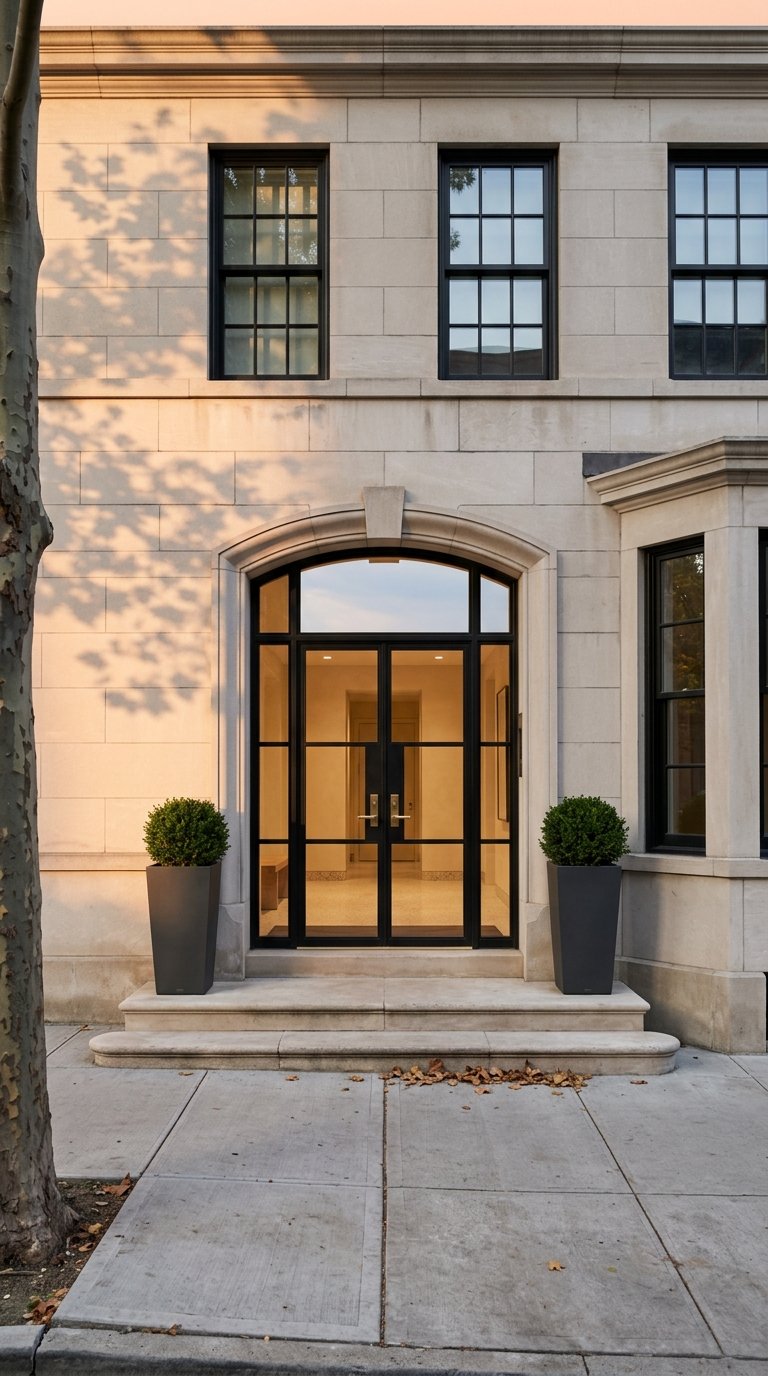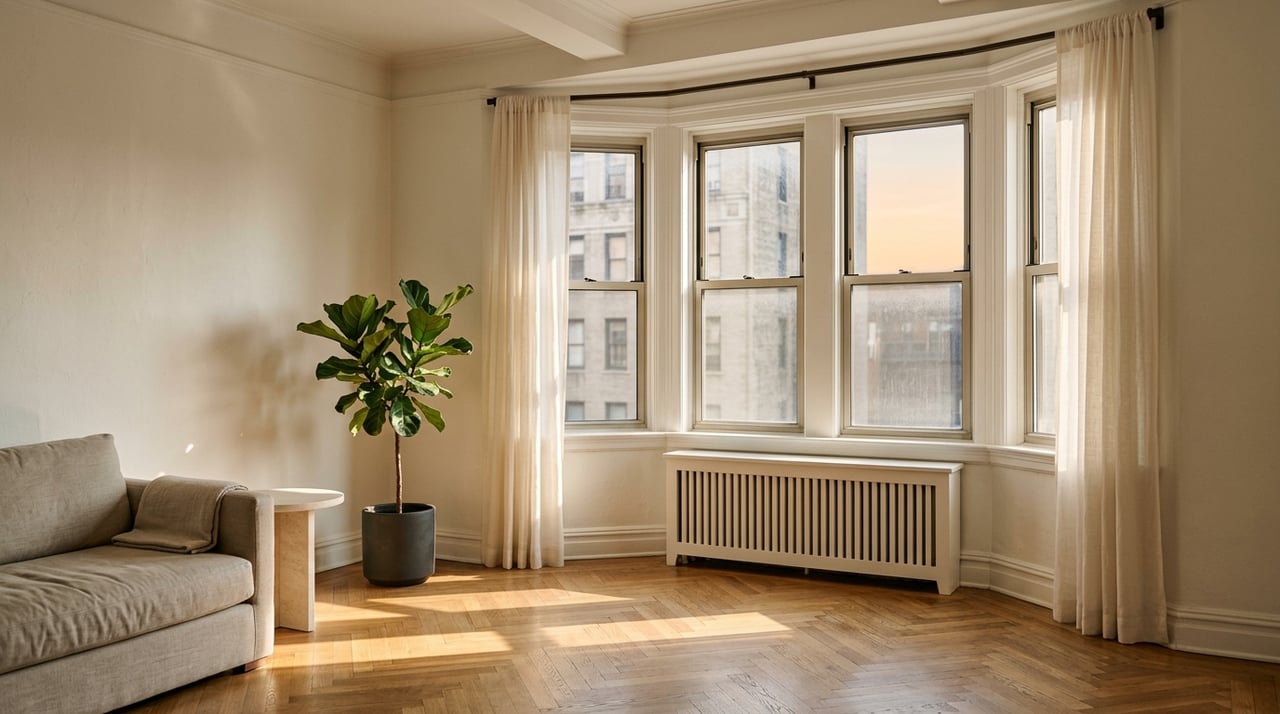
If you price an Upper West Side home too high, buyers usually notice right away. In a neighborhood where product type, building rules, monthly costs, and block-by-block differences all shape value, confidence comes from precision, not guesswork. This guide will show you how to think about pricing in a way that reflects how Upper West Side buyers actually compare homes, so you can make smarter decisions from day one. Let’s dive in.
Why pricing precision matters
The Upper West Side is one of Manhattan’s most recognizable apartment markets, but that does not make pricing simple. Buyers often compare homes closely because the neighborhood has a clear mix of prewar co-ops, condos, park-adjacent buildings, and smaller value-oriented apartments.
Recent market data points to the same conclusion: buyers are active, but they are selective. In March and April 2026, reported median prices ranged from about $1.6 million to $1.75 million depending on the data source, with about 55 days on market and a 98% sale-to-list ratio. Supply has been high enough that the market has been described as favoring buyers, which means pricing discipline matters.
That also helps explain why ambitious pricing often gets tested fast. Realtor.com reported that Upper West Side homes sold for an average of 2.22% below asking in March 2026, so an inflated list price is unlikely to go unchallenged.
Start with the right comp set
Use the same ownership type first
On the Upper West Side, co-op and condo pricing are not interchangeable. In March 2026, PropertyShark recorded 87 co-op sales with a median sale price of $1.3 million and 37 condo sales with a median sale price of $2.4 million.
That gap is too large to ignore. If you own a co-op, your first comparison should usually be other co-ops, not condos. If you own a condo, your best comps should usually come from other condos with similar features and building style.
Match the apartment beyond bedroom count
A strong comp set does more than match the number of bedrooms. Buyers on the Upper West Side also look at building vintage, layout, floor height, light, exposure, and whether the apartment sits in a more valuable micro-location.
That means a two-bedroom prewar co-op on a quiet side street should not automatically be priced like a two-bedroom condo near Central Park or Riverside Drive. Even within the same bedroom count, the market can behave very differently depending on the exact product.
Keep the comparison local
Upper West Side pricing works best when it stays close to home. Building-level and block-level comparisons tend to be more useful than broad Manhattan averages because this neighborhood has distinct micro-markets shaped by parks, architecture, and building stock.
StreetEasy notes that more expensive properties tend to cluster near Central Park and Riverside Drive, while smaller and older co-ops often represent the area’s value tier. That is why same-block or nearby sales often tell you more than a citywide median ever could.
What buyers are really pricing
Monthly carrying costs
Many sellers focus on interior upgrades and square footage first, but buyers often start with the monthly numbers. On the Upper West Side, carrying costs can strongly affect who can afford your home and how they compare it to other options.
For co-ops, maintenance can include the building’s property tax bill, operating expenses, and sometimes an underlying mortgage. Condos usually separate common charges and property taxes, so the monthly comparison is not always obvious at first glance.
The practical takeaway is simple: buyers usually add everything up. If your monthly carrying costs are especially high, the pool of interested buyers may narrow, and that can put pressure on price.
Condition of the apartment and building
On the Upper West Side, buyers are not just evaluating your apartment. They are also looking at the building’s physical condition and financial realities.
The New York State Attorney General advises buyers to review items such as facade condition, roof, elevators, windows, wiring, plumbing, HVAC, appliances, and flooring, along with offering plans, board minutes, financial reports, and violations. It also notes that major building expenses often involve facade work, pointing, roof repairs, elevator repairs, plumbing upgrades, electrical upgrades, and boiler replacements.
That matters for pricing because known building issues can affect buyer confidence. A beautifully staged apartment in a building facing costly repairs may not command the same number as a similar home in a building that appears better maintained.
Micro-location and line value
Not all Upper West Side addresses perform the same way. Proximity to Central Park, Riverside Park, or Riverside Drive can lift value, especially when it comes with better views, stronger light, or a more desirable line in the building.
Floor height, exposure, and outdoor space can also move the needle. If your home has open views, better natural light, or a premium line, that can support a tighter comp set and a stronger list price than an interior or lower-floor alternative.
Amenities and daily livability
Amenities matter most when they improve daily life in a clear way. Features like a doorman, elevator, live-in super, renovated common areas, storage, outdoor space, in-unit laundry, and flexible building policies can support stronger pricing.
This tends to be especially true in newer condos, which often trade at higher price-per-square-foot levels than the broader neighborhood. Still, buyers generally give the most value to amenities that are real, documented, and easy to use, not just nice-sounding marketing points.
Why overpricing can backfire
A high list price can feel like a safe place to start, but it often creates the opposite result. In a neighborhood where buyers can compare similar homes quickly, an overpriced listing may sit longer, invite tougher negotiations, and lose momentum.
The current market backdrop reinforces that risk. With more than 1,100 homes reported for sale in spring 2026 and a buyer-leaning environment, buyers often have options. When they sense that a seller is reaching, they may simply move on.
Pricing well from the start can help your home enter the market with credibility. That does not mean pricing low. It means pricing in a way that reflects the apartment, the building, the carrying costs, and the exact slice of the neighborhood where your home competes.
A practical way to price your home
Step 1: Identify the true peer group
Start with the same ownership form, then narrow by bedroom count, layout, building style, and approximate size. On the Upper West Side, this first filter matters because co-ops and condos trade in meaningfully different ranges.
Step 2: Refine by building and block
Next, look for sales in the same building if possible, then nearby buildings with similar age, service level, and appeal. A prewar co-op with classic details should be compared to similar prewar product before newer full-service buildings enter the discussion.
Step 3: Adjust for what buyers notice fast
Then account for the features that shape perceived value right away, such as floor, light, views, outdoor space, renovation level, and monthly carrying costs. These details often explain why one apartment outperforms another even when both look similar on paper.
Step 4: Reality-check the price against market pace
Finally, test the number against current market conditions. In a market with a 98% sale-to-list ratio and an average sale price below asking, the goal is usually to launch with a price that feels defensible, not aspirational.
What this means for Upper West Side sellers
The strongest pricing strategy is rarely based on square footage alone. On the Upper West Side, your list price needs to reflect the full package: ownership type, carrying costs, condition, building health, amenities, and micro-location.
That is especially important if you are balancing a sale with your next move. The right price can help protect your timeline, reduce unnecessary friction, and create a stronger negotiating position once buyers engage.
A calm, data-driven approach usually serves sellers best here. When your pricing lines up with how Upper West Side buyers actually shop, you are more likely to attract serious interest and move forward with confidence.
If you are thinking about selling and want a pricing strategy tailored to your apartment, building, and block, Royce Cara Berler can help you evaluate your home with the kind of neighborhood nuance Manhattan sellers need.
FAQs
How should you choose comps for an Upper West Side co-op?
- Start with other Upper West Side co-ops, not condos, then narrow by bedroom count, building vintage, block, and features like floor, light, and condition.
How do monthly fees affect Upper West Side home pricing?
- Higher maintenance or carrying costs can narrow the buyer pool and may reduce the price buyers are willing to pay, especially when nearby alternatives have lower monthly costs.
Why do two similar Upper West Side apartments sell for different prices?
- Differences in ownership type, building condition, carrying costs, floor height, views, light, amenities, and proximity to Central Park or Riverside Drive can all change value.
How much does renovation matter for an Upper West Side sale?
- Renovation can matter a great deal because buyers weigh both the apartment’s usability and the building’s overall condition when deciding what a home is worth.
Is the Upper West Side a price-sensitive market in 2026?
- Yes. Spring 2026 data showed active buyers, but also enough supply and enough price resistance that sellers generally needed to price carefully from the start.