Wondering what daily life on the Upper West Side really feels like? If you are weighing a move, a purchase, a rental, or a future sale, this neighborhood can seem both classic and hard to pin down. The good news is that the Upper West Side has a clear rhythm once you understand its streets, housing mix, and everyday conveniences. Let’s dive in.
What defines the Upper West Side
The Upper West Side is generally understood as Manhattan Community District 7, stretching from West 59th Street to West 110th Street between Central Park West and the Hudson River. Community Board 7 describes the district as roughly 1.9 square miles, with a mix of parks, cultural institutions, retail, and notable architecture.
That geography matters because it shapes how the neighborhood lives. You are not looking at just one kind of block or one kind of housing. Instead, you get a park-bounded residential area with strong transit access, active commercial corridors, and a built environment that blends historic apartment houses with newer development.
Everyday life on the Upper West Side
Life here tends to be shaped by walking, parks, and easy subway access. Furman Center data shows that 88.5% of commuters used a car-free commute in 2023, with a mean travel time to work of 31.2 minutes. For many residents, that means errands, dining, and commuting happen on foot or by train rather than by car.
The neighborhood also has a strong sense of daily routine. Broadway, Amsterdam Avenue, and Columbus Avenue function as major pedestrian and commercial spines, with ground-floor retail playing an important role in the local streetscape. That creates a practical, lived-in feel rather than a purely destination-driven one.
Park access is a major part of life
Central Park forms the eastern edge of the neighborhood and runs from 59th to 110th Streets. According to the Central Park Conservancy, the park covers 843 acres and welcomes more than 42 million visitors annually, while also supporting everyday uses like running, birding, and relaxing on benches or lawns.
On the west side, Riverside Park adds another major layer of outdoor space. Riverside Park Conservancy works across 6 miles of parkland from West 59th to 181st Streets and cares for 400 acres. For residents, that means two very large parks help frame the neighborhood’s daily pace.
Culture is built into the neighborhood
The Upper West Side is rich in well-known institutions, but they are part of everyday life as much as they are visitor draws. Lincoln Center sits between West 62nd and 65th Streets and Columbus and Amsterdam Avenues and hosts hundreds of programs each year. The American Museum of Natural History and The New York Historical both sit along Central Park West.
This concentration of institutions gives the neighborhood a distinctive rhythm. You can live in a strongly residential area while still being close to major performance, museum, and public programming spaces.
What the streets and buildings feel like
One reason the Upper West Side stands out is its architecture. Landmarks and planning materials describe it as an early center of apartment-house construction, with important corridors along Central Park West, Riverside Drive, West End Avenue, Manhattan Avenue, and related historic districts.
In practical terms, the neighborhood often reads as classic Manhattan. The area’s apartment boom produced Beaux-Arts, Italian Renaissance, and neo-Gothic apartment houses, and Broadway’s curves create unusual sightlines and views. At the same time, this is not a frozen neighborhood, since different corridors support different building patterns and scales.
Not every avenue feels the same
Amsterdam and Columbus are shaped in part by 1900s to 1920s buildings with narrower lobbies and smaller retail spaces. Broadway can absorb larger mixed-use and residential development. That difference helps explain why one block may feel intimate and traditional while another feels broader and more mixed.
For buyers and renters, this matters because the housing experience can change a lot from one pocket to the next. A home near a landmarked corridor may offer a very different building style and street feel than one closer to newer towers near the southern or riverfront edges.
Housing options on the Upper West Side
The Upper West Side is heavily apartment-oriented. Furman Center estimates 130,224 housing units in 2024, with a 36.0% homeownership rate in 2023. If you are starting your search here, it helps to expect a market where apartments dominate and building type plays a big role in your decision.
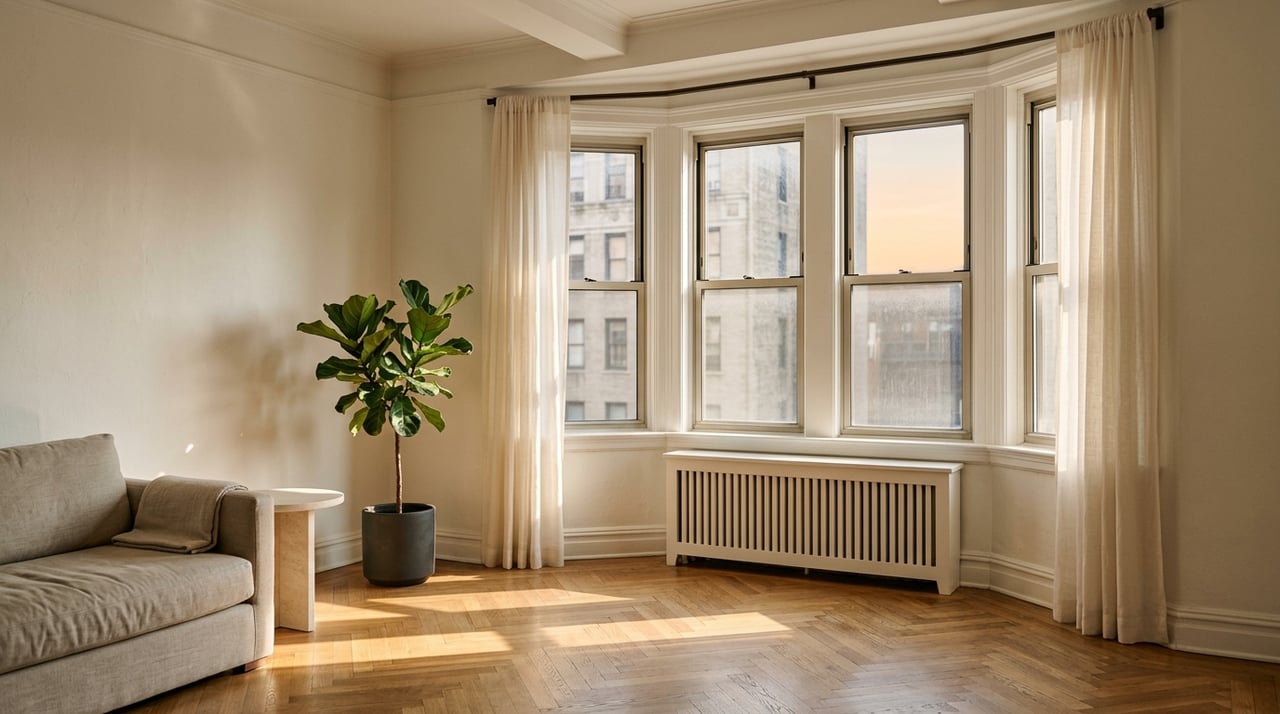
The neighborhood includes a broad mix of ownership and rental opportunities. You may encounter classic prewar-style apartments, condominiums, condops, and rental buildings, with some newer inventory concentrated in specific areas. Your experience will often depend less on the neighborhood in general and more on the exact building, layout, and ownership structure.
Prewar apartments remain central
The Upper West Side’s identity is closely tied to its turn-of-the-century apartment-house boom. Landmarks materials describe the area as one of New York’s most important centers for apartment-house construction in the late 1890s and early 1900s.
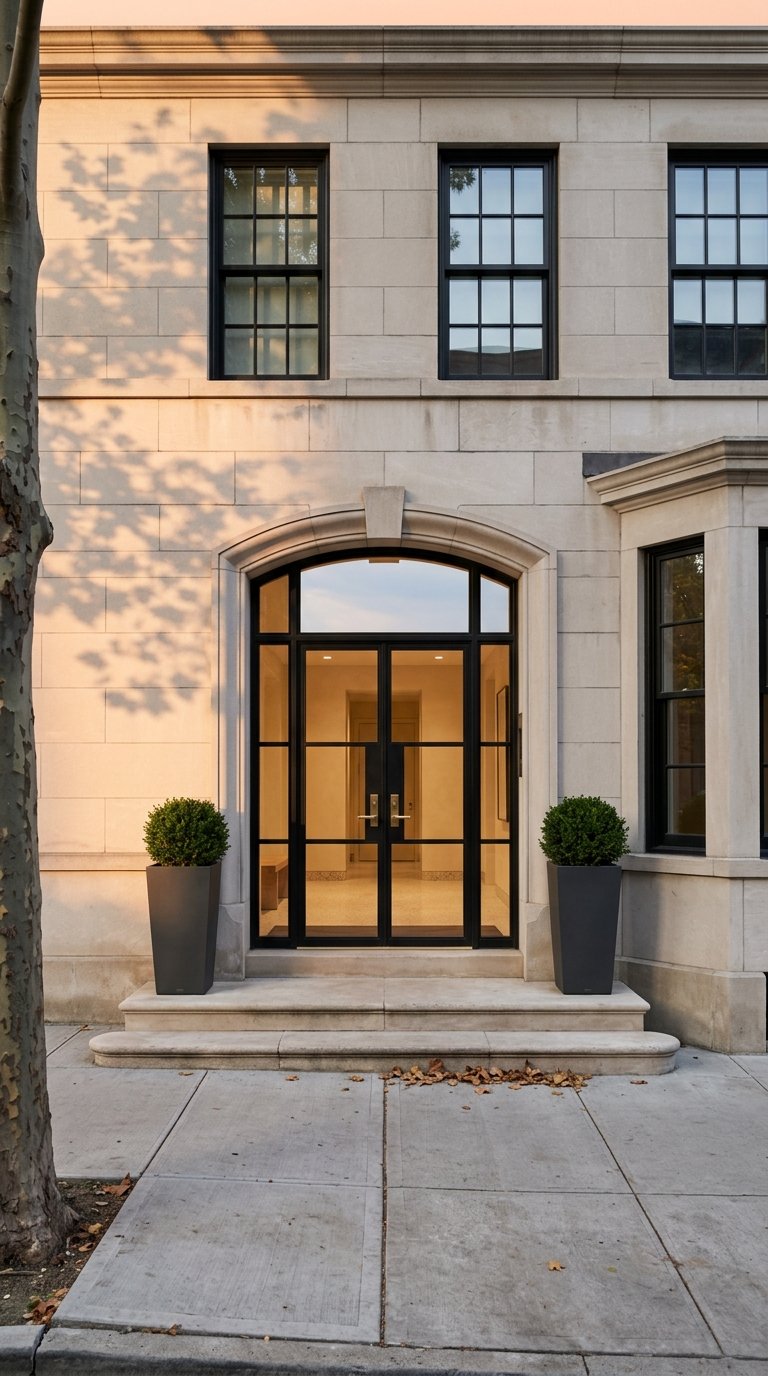
For today’s buyer, that often translates into enduring demand for classic apartment living. Many of the neighborhood’s best-known ownership opportunities are associated with older apartment stock and the kind of architectural character people often seek in Manhattan, including established facades, detailed entries, and traditional layouts.
Condos and newer towers add another option
If you are looking for newer product, the southern and riverfront sections are especially relevant. City Planning notes that Riverside South extends from West 59th to 72nd Streets and includes several residential high-rise towers, while Riverside Center was approved as a large mixed-use, predominantly residential project.
Furman also reports 746 condo sales in 2024, with a median condo sale price of $1,522,500. That activity shows there is meaningful condo inventory and buyer demand, especially for those who prioritize newer buildings, higher-rise living, or different amenity profiles.
Rentals are a major part of the market
The Upper West Side is also an active rental neighborhood. Furman reports a 7.9% rental vacancy rate in 2023 and a median gross rent of $3,000, up 48.5% from 2006.
That does not mean every rental looks or feels the same. Some renters will focus on classic apartment buildings, while others may want newer construction or a location near a specific park, subway line, or commercial corridor. The building itself often matters as much as the address.
Who the neighborhood tends to appeal to
The Upper West Side supports a varied household mix rather than one single lifestyle profile. Furman data shows that 46.5% of households were single-person households in 2023, 21.4% had children under 18, and 20.2% of the population was age 65 or older.
That range helps explain the neighborhood’s broad appeal. It can work for someone seeking a convenient Manhattan base, someone who values cultural access and parks, or someone planning a long-term move within the city. In other words, the Upper West Side is flexible without feeling generic.
What buyers and sellers should know
If you are buying on the Upper West Side, it helps to think beyond price alone. Building type, ownership structure, location within the neighborhood, and day-to-day block feel can all shape your decision. A classic apartment on a landmarked avenue and a newer condo near the river may both be on the Upper West Side, but they can offer very different living experiences.
If you are selling, presentation and positioning matter just as much. In a neighborhood with strong architectural identity and a wide range of housing stock, buyers pay attention to details like layout, condition, building style, and how a home fits into the larger market story. A valuation-driven strategy can help you understand where your property stands and how to present it effectively.
Why the Upper West Side feels enduring
Some Manhattan neighborhoods are defined by speed or novelty. The Upper West Side tends to feel enduring because it combines established residential character with daily convenience. You have major parks, strong transit, important cultural institutions, and housing that ranges from historic apartment buildings to newer towers.
That balance is a big part of the appeal. The neighborhood feels rooted, but it still gives you options. Whether you are buying, renting, or preparing to sell, that mix of character and practicality is what makes the Upper West Side one of Manhattan’s most consistently sought-after residential areas.
If you are exploring your next move on the Upper West Side, working with an advisor who understands Manhattan building types, pricing, and neighborhood nuance can make the process far more efficient. For tailored guidance on buying, selling, renting, or valuing a property, connect with Royce Cara Berler.
FAQs
What area is considered the Upper West Side?
- The Upper West Side is generally understood as Manhattan Community District 7, running from West 59th Street to West 110th Street between Central Park West and the Hudson River.
What is daily life like on the Upper West Side?
- Daily life on the Upper West Side is shaped by walking, subway access, local retail, cultural institutions, and access to both Central Park and Riverside Park.
What types of homes are common on the Upper West Side?
- The Upper West Side is apartment-heavy, with a mix of classic prewar-style apartments, condominiums, condops, rental buildings, and newer residential towers in some areas.
Are there newer buildings on the Upper West Side?
- Yes. Newer development is more visible toward the southern and riverfront edges, including Riverside South and the Riverside Center area.
Is the Upper West Side more of a driving or transit neighborhood?
- It is largely transit- and walking-oriented. Furman reports that 88.5% of commuters used a car-free commute in 2023, and the neighborhood is served by the 1, 2, 3, A, C, and D subway lines.
Who does Upper West Side living tend to suit?
- The neighborhood appeals to a wide range of residents, including single-person households, households with children, older adults, and people looking for a convenient Manhattan home near parks and cultural institutions.