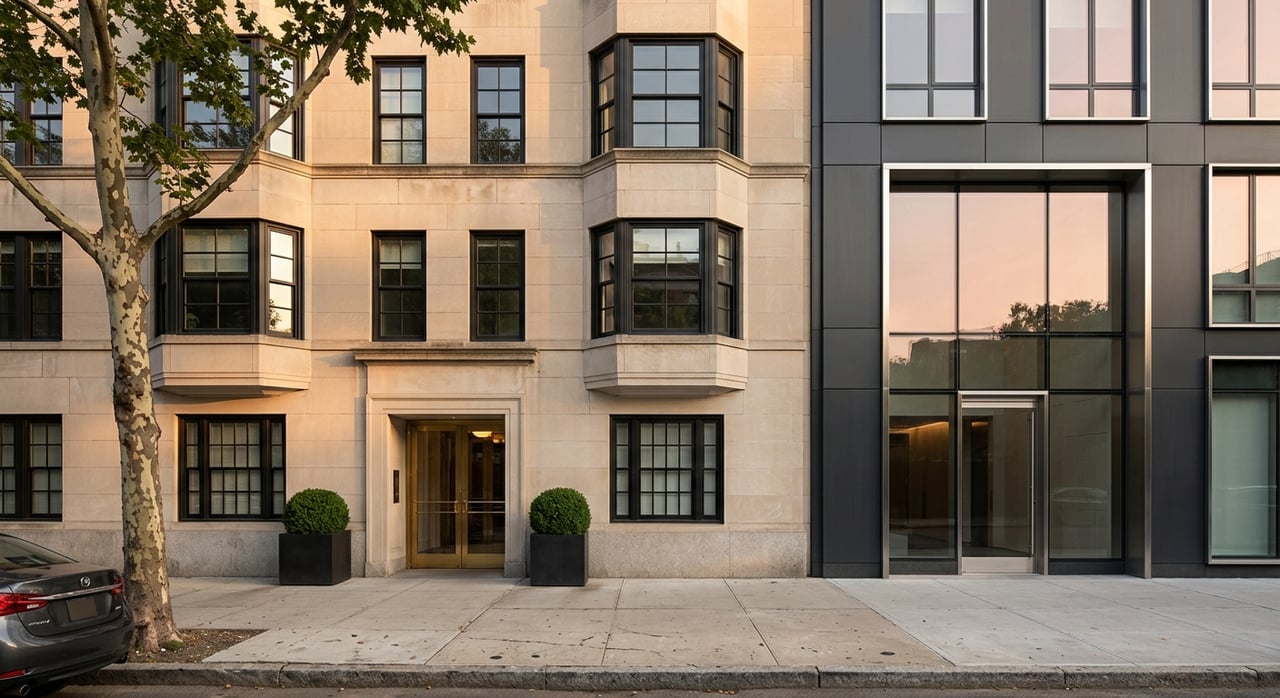
If you want a Manhattan neighborhood that feels central without feeling all business all the time, Murray Hill often ends up on the shortlist. You may be comparing it with Midtown East, Kips Bay, or other East Side options and wondering what daily life actually feels like there, and what kind of apartment inventory you can realistically expect. This guide breaks down Murray Hill’s lifestyle, transit, housing mix, and how to think about the neighborhood if you are renting, buying, or planning your next move. Let’s dive in.
Murray Hill at a glance
Murray Hill is generally understood as the area between 34th Street and 40th Street, from Fifth Avenue to Third Avenue, with a long residential history. A Landmarks Preservation Commission report notes that an 1847 covenant required brick or stone houses of two or more stories, which helps explain the neighborhood’s older architectural roots.
Over time, the housing stock changed with the city. Beginning in the 1920s and continuing through the 1930s and postwar years, many former single-family residences were converted into multiple dwellings, and the first apartment building in the district appeared in 1924. That evolution still shapes the mix of prewar apartments, co-ops, and larger residential buildings you see today.
What the lifestyle feels like
One of Murray Hill’s biggest draws is balance. Official planning materials describe the area as having a mostly residential feel, with generally quiet, tree-lined cross streets and lighter midday pedestrian activity than the Midtown central business district nearby.
That matters if you want a neighborhood that stays connected to the center of Manhattan without feeling as office-driven as Midtown East. You are still close to major work hubs, but the day-to-day experience can feel calmer once you move off the main avenues.
Murray Hill also has a practical, lived-in rhythm. Morning and evening activity tends to follow commuter patterns, while local dining and social life often center around casual neighborhood spots rather than a single major destination district.
Dining, errands, and everyday convenience
Murray Hill works well for people who value convenience over spectacle. The neighborhood has a broad range of local restaurants and everyday dining options, and the overall feel is more neighborhood-scale than trend-chasing.
That can be a real advantage when you are thinking about daily life, not just weekend plans. If you want a place where grabbing dinner, takeout, coffee, or basic errands feels easy, Murray Hill tends to deliver that kind of practical comfort.
The avenue corridors help drive that convenience. Third Avenue in particular is often associated with a casual after-work scene, while the side streets tend to read as more residential and quieter.
East River access adds another layer
One feature that sets Murray Hill apart from some inland Manhattan neighborhoods is its relationship to the East River. The East 34th Street Ferry Landing is identified by NYC Planning as a public access and waterfront viewing area with seating, trees, a public walkway, and more than 13,000 square feet of public space.
That means the waterfront is not just something you pass on the way elsewhere. It functions as a usable neighborhood amenity, whether you want a place to sit outside, take in river views, or add another transportation option to your routine.
The East River edge also provides some welcome breathing room. Official city information has also noted use of New Wave Pier on the East River Esplanade between 38th and 39th Streets as a temporary dog run, which speaks to how this stretch can serve as flexible open space in a dense part of Manhattan.
Transit is a major selling point
For many renters and buyers, Murray Hill’s strongest lifestyle advantage is transit convenience. Grand Central-42 Street gives you access to the 4, 5, 6, 7, and S lines, while the 6 train also serves 33rd Street and 28th Street.
That setup makes it easier to move through Midtown, the East Side corridor, and beyond. If your routine depends on fast access to office districts, crosstown travel, or multiple train options, Murray Hill checks an important box.
Bus and ferry access also strengthen the picture. The M34-SBS runs along 34th Street, the M15 runs north-south along First and Second Avenues, and NYC Ferry’s East River route serves East 34th Street with connections to destinations including Hunters Point South, Greenpoint, Williamsburg, DUMBO/Fulton Ferry, and Wall Street/Pier 11.
Apartment types in Murray Hill
Murray Hill is not a one-building-type neighborhood. Its apartment inventory reflects decades of change, which is one reason it appeals to a wide range of Manhattan buyers and renters.
At a high level, the neighborhood includes:
- Prewar converted buildings
- Classic co-ops and condops
- Midcentury elevator buildings
- Full-service residential buildings
- Larger rental towers
- Newer condo and rental developments
That variety matters because your experience in Murray Hill can look very different depending on the block and building type. A quieter prewar co-op on a side street can feel very different from a newer amenity building closer to the East River or a major avenue.
Prewar and classic co-op appeal
Much of Murray Hill’s older housing character comes from the neighborhood’s transition from townhouses to apartment living. The historical record of former single-family homes being converted into multiple dwellings helps explain why prewar co-op inventory remains such an important part of the area.
If you are drawn to classic Manhattan details, this part of the market may be especially appealing. In practical terms, buyers often find elevator buildings, older co-op layouts, and established residential streets that feel more rooted in the neighborhood’s earlier history.
This housing type often aligns well with buyers who care about character, established building culture, and a more traditional Manhattan residential feel. It can also be a good fit if you want a home that feels tucked into a quieter block while staying close to Midtown.
Newer rentals and condos
Murray Hill also offers a substantial newer-building segment, especially for renters and buyers who prioritize modern finishes and amenities. Current market context shows a large rental presence in the neighborhood, alongside active condo and co-op inventory.
The newer product tends to cluster along First Avenue, Third Avenue, and the East 34th to East 39th Street corridor. That pattern lines up with areas that are especially transit-connected and visibly shaped by larger residential development.
If you are looking for features like newer construction, contemporary common areas, or a more high-rise style of living, these parts of Murray Hill may be worth closer attention. For many clients, this side of the market offers a cleaner, more turnkey option within a neighborhood that still feels established.
What the housing mix says about lifestyle
The apartment type you choose in Murray Hill often signals the kind of lifestyle you want. A prewar co-op or condop may suit you if you value architectural character, quieter side streets, and a more classic Manhattan feel.
A newer rental or condo may make more sense if your priorities are convenience, building amenities, and easy access to major transit and the waterfront. Neither path is better across the board. The right choice depends on how you live, commute, and think about your next few years in the city.
That is especially true in Manhattan, where building rules, ownership structure, and resale or rental flexibility can shape the experience just as much as the neighborhood itself. Murray Hill gives you options, but the details matter.
Murray Hill versus Midtown East
If you are deciding between Murray Hill and Midtown East, the biggest distinction is usually atmosphere. Greater East Midtown planning materials emphasize Midtown East’s role as a major business district, with policy focused on supporting office density and preserving its commercial role near Grand Central.
Murray Hill, by contrast, reads as more residential. Official planning materials emphasize quiet side streets, residential towers, and lighter daytime foot traffic than the office-heavy areas to the north.
For you, that often translates into a simple question: do you want to live in the center of a business district, or near it? Murray Hill can offer a central Manhattan location with a softer residential edge.
Murray Hill versus Kips Bay
Murray Hill and Kips Bay are often grouped together in apartment searches, but they are not identical. Planning materials describe Kips Bay as a mix of high-density residential and institutional uses, with several modern high-rise residential towers, especially between Second and Third Avenues.
Murray Hill tends to present a more layered housing profile. Instead of leaning as strongly toward modern tower living, it combines converted prewar buildings, classic co-ops, and newer rentals and condos within a similarly central area.
If you are choosing between the two, it helps to think about whether you want more historic texture in the housing stock or a stronger concentration of modern high-rise product. Both neighborhoods are convenient, but they often appeal for slightly different reasons.
Who Murray Hill tends to suit
Murray Hill can make sense for several kinds of Manhattan clients. You may find it especially compelling if you want central access, a real residential component, and a broad menu of apartment types.
It often suits people who want:
- Fast access to Midtown and the East Side
- A neighborhood that feels active but not overwhelmingly office-driven
- Choice between older co-ops and newer buildings
- Everyday dining and errands within easy reach
- Added value from ferry and waterfront access
For some buyers, the deciding factor is co-op versus condo inventory. For some renters, it is building style and commute ease. For sellers, the key may be understanding how a specific building and block fit into this wider neighborhood story.
Why building-by-building guidance matters
Murray Hill is easy to generalize, but harder to navigate well without context. The neighborhood includes enough variety that two apartments a few blocks apart can offer very different experiences, values, and long-term fit.
That is why building type, avenue versus side street location, ownership structure, and transportation access all deserve a closer look. A smart search here is usually less about finding any apartment in Murray Hill and more about finding the right version of Murray Hill for you.
If you are weighing a purchase, rental, or sale in the neighborhood, having a clear strategy can make the process feel much more manageable. Working through the details upfront helps you focus on apartments and buildings that truly match your goals.
If you are considering a move in Murray Hill, Royce Cara Berler offers thoughtful guidance across Manhattan sales, purchases, rentals, and valuation strategy, with a calm, personalized approach built for the details that matter.
FAQs
What is Murray Hill like in Manhattan?
- Murray Hill is a central Manhattan neighborhood with a largely residential feel, quieter cross streets, strong transit access, and a mix of casual dining, everyday convenience, and apartment living.
What kinds of apartments are common in Murray Hill?
- Murray Hill includes converted prewar buildings, co-ops, condops, midcentury elevator buildings, larger rental towers, and newer condos and rentals.
Is Murray Hill more residential than Midtown East?
- Yes. Official planning materials describe Murray Hill as quieter and more residential than the office-focused Midtown East district nearby.
Does Murray Hill have good public transportation?
- Yes. The neighborhood benefits from access to Grand Central-42 Street, the 6 train at 33rd and 28th Streets, the M34-SBS, the M15, and NYC Ferry at East 34th Street.
Is Murray Hill near the waterfront?
- Yes. The East 34th Street Ferry Landing and nearby East River public access areas give Murray Hill a waterfront component that many inland Manhattan neighborhoods do not have.
How is Murray Hill different from Kips Bay?
- Murray Hill generally offers a more layered mix of historic and newer housing, while Kips Bay is often associated with more modern high-rise residential and institutional uses.